


Dried Hibiscus Flowers: How to Brew Them Hot and Iced
How to brew dried hibiscus flowers: ratio and steep time for a hot cup, a 12-hour cold brew, agua de jamaica, hibiscus syrup and what to…
Country, language & currency
or
By the Tealyra Tea Team · · 5 min read

In short: Lemon verbena tea is a caffeine-free herbal infusion made from the dried leaves of Aloysia citrodora, a shrub native to Argentina and Chile. It is the most intensely lemony of all the "lemon herbs", with a clean, sweet citrus aroma and no sourness. Steep 1 heaped teaspoon (about 1.5 g) of whole leaves in 250 ml of water just off the boil (95-100°C) for 5-7 minutes. It is lovely hot after dinner, iced in summer, and blended with mint or chamomile.
In France it is called verveine and poured as a digestif-hour tisane; in Spain and South America it is simply cedrón. In Canada it is still something of a secret, usually found as a note in blends rather than on its own. Here is what you get when you brew the pure leaf.
Crush a dried lemon verbena leaf between your fingers and the smell is unmistakable: fresh lemon zest, bright and almost perfumed. In the cup that aroma carries through, backed by a light herbal body and a subtle sweetness that many people describe as a hint of licorice.
What sets it apart is the absence of sourness. Lemon juice and hibiscus deliver citrus through acidity; lemon verbena delivers it through aroma alone, so the liquor stays smooth and gentle. The colour is pale, somewhere between straw and light green-gold, and the finish is clean and cooling, with a faint camphor-like freshness.
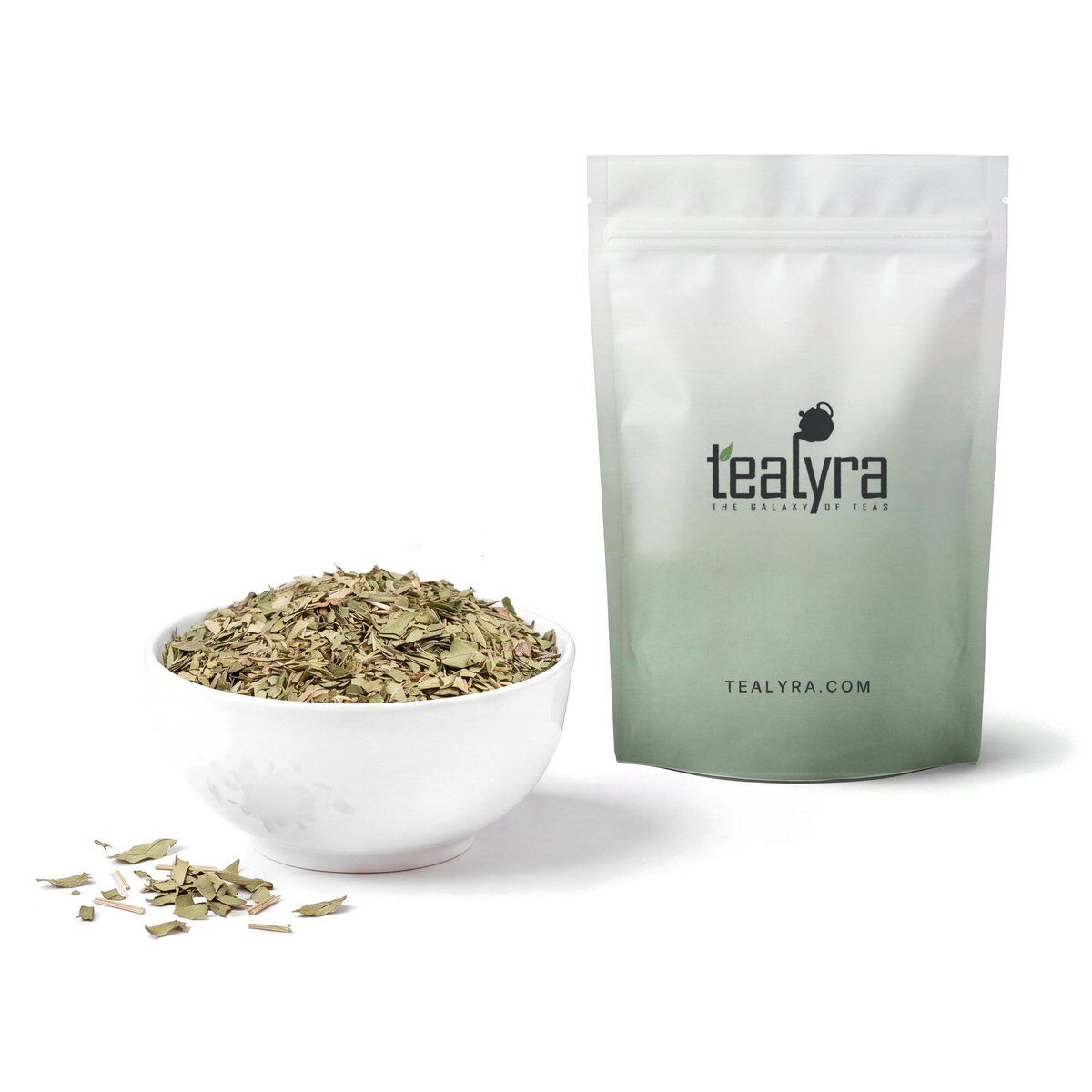
Three different plants share the "lemon" label, and they brew very differently.
| Lemon verbena | Lemongrass | Lemon balm | |
|---|---|---|---|
| Plant | Woody shrub, South America | Tropical grass, Southeast Asia | Mint family, Mediterranean |
| Part used | Dried whole leaves | Chopped stalks | Dried leaves |
| Aroma | Intense lemon zest, sweet | Lemon with ginger-like spice | Mild lemon with green, minty notes |
| Body | Light, smooth | Fuller, slightly savoury | Light, soft |
| Best use | On its own, iced, with mint | In chai-style and Thai blends | Blended with chamomile |
If you want the loudest, cleanest lemon flavour, verbena wins. Lemongrass is the choice for spiced blends, and lemon balm is the softest of the three.
Whole dried leaves are large and light, so measure by volume rather than by eye. A kitchen scale helps the first time.
A touch of honey rounds it out, though most people drink it plain. Milk does not suit it.
Lemon verbena makes one of the best iced herbal teas, and it needs no sugar to taste refreshing. Two methods:
Serve with a lemon wheel, a sprig of mint or a few frozen berries. It also makes a bright base for a mocktail with sparkling water.
Pure whole-leaf verbena is the place to start. Pure Lemon Verbena comes as large, unbroken leaves, which hold their aroma far better than the crushed herb in tea bags. You will find more single herbs for blending under herbs and spices and the wider range of caffeine-free cups in the herbal tea section.
Look for whole or lightly broken leaves with a bright green to olive colour. Brown, crumbly leaves have lost most of their oils. The aroma should jump out of the bag when you open it. Store the leaves in an airtight tin away from light, heat and the spice rack; the lemon oils are volatile, so aim to use a pouch within six months of opening.
If you grow lemon verbena in a pot over the summer, bring it indoors before the first frost (it is hardy only to about -5°C) and dry the leaves on a rack or in a paper bag for a week. Home-dried leaves brew just as well as bought ones.
If you enjoy single-herb infusions, Greek mountain tea is another caffeine-free leaf worth trying.
No. Lemon verbena is a herb, not a tea plant, so the infusion is naturally caffeine-free and suitable for the evening.
No. Lemon verbena is the leaf of a South American shrub with a sweet, zesty aroma; lemongrass is a tropical grass whose stalks taste lemony with a gingery edge. They are often confused but brew quite differently.
Five to seven minutes in water just off the boil, covered. It does not turn bitter, so longer steeps simply make a stronger cup.
Yes, and it is one of the best herbs for it. Cold brew 8 g of leaves in 1 L of water for 6-8 hours, or hot brew at double strength and pour over ice.
Peppermint, chamomile, fresh ginger, a little honey, or a pot of sencha. It also works as a base for sparkling mocktails.
How to brew dried hibiscus flowers: ratio and steep time for a hot cup, a 12-hour cold brew, agua de jamaica, hibiscus syrup and what to…

Greek mountain tea (sideritis) explained: what it is, how it tastes, why Greeks simmer it instead of steeping it, and how to brew it at…

What chrysanthemum tea tastes like and how to brew it: water at 90-95°C, 4-6 whole flowers per cup, steep times, pairings and rock sugar…