


How to Drink Oolong Tea: Caffeine, Cups a Day and Brewing
How to drink oolong tea: how much caffeine is in a cup, how many cups a day are reasonable, when to drink it, and brewing tips for rolled…
Country, language & currency
or
By the Tealyra Tea Team · · 5 min read

In short: oolong is the partially oxidized tea that sits between green and black, and the styles Canadians search for most are GABA oolong (dark, fruity, slightly tangy), Alishan high mountain oolong (green, creamy, floral), osmanthus oolong (light oolong scented with tiny apricot-sweet flowers) and peach oolong (a flavoured blend). Brew the green ones at 85 to 90 °C and the darker ones at 95 °C, use 3 to 4 g per 250 ml, and re-steep every one of them three to five times.
Loose leaf oolongs range from a cup that tastes like fresh cream and lilac to one that tastes like baked apricot and caramel. This guide walks through the four styles people ask us about most in Canada, with brewing numbers for a November kitchen.
All true tea comes from the same plant. What separates oolong from green and black tea is oxidation, the browning that happens when the picked leaf is bruised and left in the air. Green tea is barely oxidized, black tea is fully oxidized, and oolong is anywhere from 10 to 80 percent. The maker then rolls the leaf, into tight balls in Taiwan and Anxi or long twisted strips in Wuyi, and may roast it. Those three choices, oxidation, rolling and roasting, decide whether your cup is pale and floral or copper and toasty.
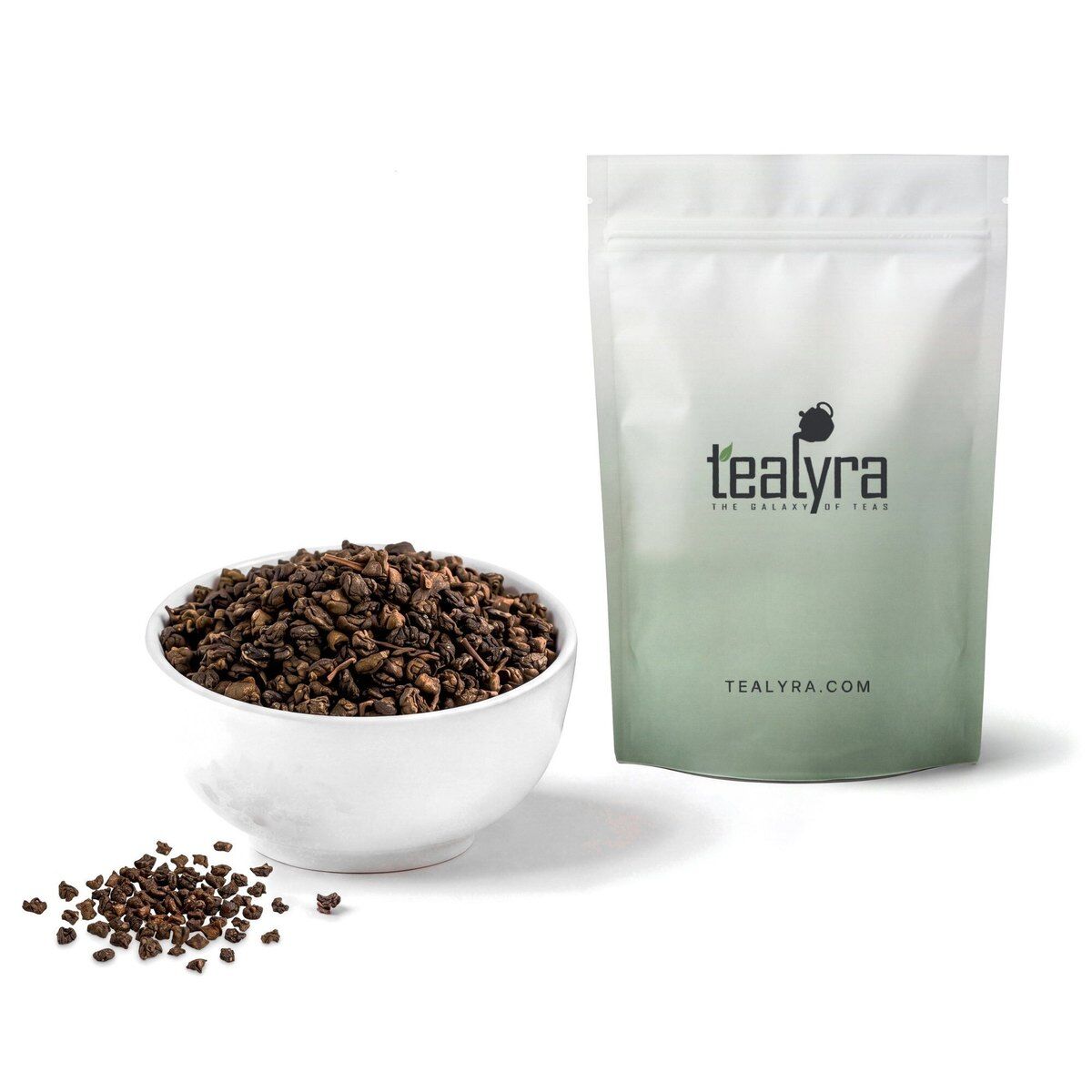
GABA oolong is made by oxidizing the leaf in a nitrogen-rich, oxygen-free chamber instead of in open air. The process was developed in Japan in the 1980s and is now done mostly in Taiwan. In the cup it tastes nothing like a typical green Taiwanese oolong: expect a deep amber liquor with baked apple, raisin, tamarind and a gentle sourness, closer to a fruit compote than to flowers.
Our Gaba Oolong is a tightly rolled Taiwanese leaf that opens fully by the second steep. Brew it at 95 °C, 4 g per 250 ml, 1 minute for the first infusion and add 30 seconds each time after that. It handles five steeps easily and is one of the best oolongs for a cold evening because it drinks like a dessert tea with no sugar in it.
Alishan is a mountain range in central Taiwan where tea grows at 1,000 to 1,600 metres. Cloud cover slows the leaf's growth, which concentrates sweetness and keeps the oxidation low. The result is the benchmark "high mountain" oolong: bright green rolled pellets that unfurl into whole leaves and brew a pale gold cup with a creamy texture and notes of lilac, fresh butter and sugar snap pea.
Ali Shan High Mountain is the one to start with if you want to understand why people fall for Taiwanese tea. Use 85 to 90 °C water, 4 g per 250 ml, and steep 1 minute, then 45 seconds, then build back up. In a gaiwan or small teapot you will get six or more infusions.
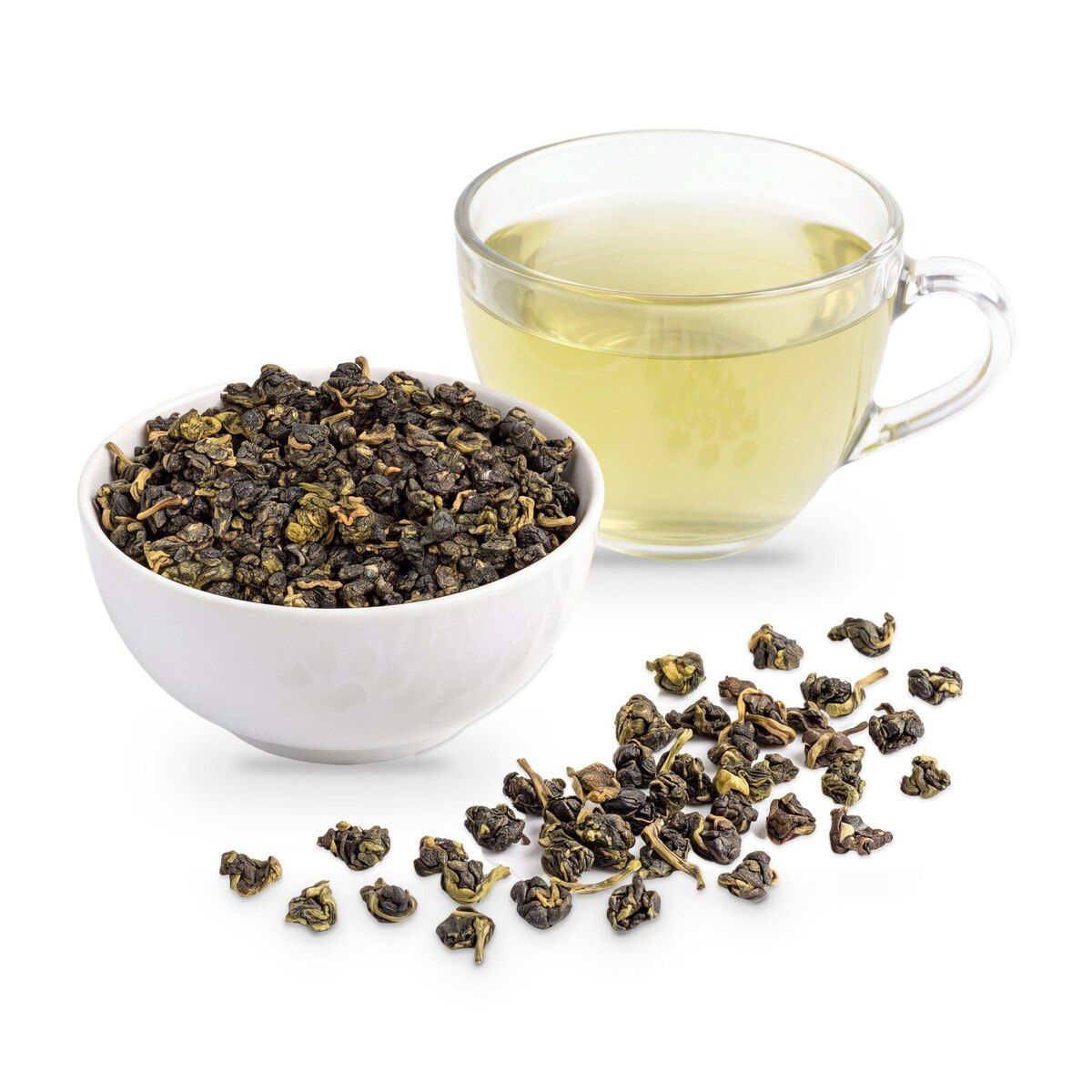
Osmanthus, or gui hua, is a small shrub whose yellow flowers smell of apricot and honey. In autumn the dried blossoms are layered with a light oolong so the leaf absorbs their scent, the same method used for jasmine tea. A good osmanthus oolong keeps the flowers in the blend, so you see flecks of gold among the green pellets.
Gui Hua Osmanthus Oolong brews a smooth, sweet cup with the apricot perfume sitting on top of the oolong's buttery base. It is naturally sweet enough to serve to guests who usually add sugar. Brew at 90 °C, 3 to 4 g per 250 ml, 2 minutes for a Western-style pot or 45 seconds in a gaiwan, and expect four good steeps.
Peach oolong is a flavoured tea: a light Taiwanese or Chinese oolong blended with peach pieces and natural peach flavour. It is the gateway for many people because the fruit note is obvious and friendly, and it makes an excellent iced tea in summer. Treat them like a light oolong when you brew, 85 to 90 °C and 2 to 3 minutes, and accept that they re-steep fewer times than the unflavoured leaf, usually two or three before the fruit fades.
| GABA | Alishan | Osmanthus | Peach | |
|---|---|---|---|---|
| Oxidation | Medium to high, no oxygen | Low, 15 to 25% | Low, scented | Low, flavoured |
| Cup colour | Deep amber | Pale gold | Light gold | Light gold |
| Taste | Baked apple, raisin, tangy | Cream, lilac, fresh pea | Apricot, honey, butter | Ripe peach, floral |
| Water | 95 °C | 85 to 90 °C | 90 °C | 85 to 90 °C |
| Leaf per 250 ml | 4 g | 4 g | 3 to 4 g | 3 g |
| First steep | 1 min | 1 min | 2 min (pot) | 2 to 3 min |
| Re-steeps | 5+ | 6+ | 4 | 2 to 3 |
| Best for | Evenings, dessert | Afternoons, guests | Sweet tooth, no sugar | Beginners, iced tea |
For caffeine, cups per day and how oolong fits into a routine, see our post on how to drink oolong tea. The full Canadian range, from green high mountain teas to dark roasted Wuyi styles, is in our oolong tea collection, shipped from within Canada.
Fruity and slightly tangy, with baked apple, raisin and a hint of tamarind in a deep amber cup. It is noticeably darker and sweeter than a standard green Taiwanese oolong.
No. It looks green and brews pale because it is lightly oxidized, but it is a true oolong: the leaf is bruised, partly oxidized and rolled, which gives it a creamy body and floral aroma that green tea does not have.
Good rolled oolongs give five or more infusions from the same leaves. Start at 1 minute and add 30 seconds each time. Flavoured oolongs such as peach fade after two or three steeps.
Yes. The oolong is scented with dried osmanthus blossoms, and a good blend keeps the small golden flowers in with the leaf. They add an apricot and honey aroma without any added flavouring.
Alishan high mountain if you like fresh, floral teas, or GABA if you prefer something dark and fruity. Both are forgiving to brew and re-steep many times, so one 50 g pouch lasts weeks.
How to drink oolong tea: how much caffeine is in a cup, how many cups a day are reasonable, when to drink it, and brewing tips for rolled…

What makes Taiwan high mountain oolong special, how to choose Ali Shan or Mei Shan, and how to brew it gongfu style or in a mug, with times…

Discover Da Hong Pao, China's legendary rock oolong tea. Learn about its rich history, unique roast profiles, and how to brew the perfect…