


How to Make Matcha Tea at Home, Step by Step
How to make matcha tea at home: sift 2 g, use water at 165-175°F and whisk in a zigzag. Ratios for usucha, koicha, lattes and iced matcha…
Country, language & currency
or
By the Tealyra Tea Team · · 5 min read

In short: the best matcha for baking is culinary grade matcha. It has a bolder, slightly more astringent flavour that still tastes like matcha after it meets butter, sugar and a hot oven. Use about 1 to 3 teaspoons (2 to 6 g) of baking matcha powder per 120 g (1 cup) of flour, sift it with the dry ingredients, and bake at a moderate 160 to 175 °C (325 to 350 °F) so the colour stays green.
Matcha cookies, muffins and loaf cakes are some of the easiest ways to bring tea into the kitchen, and they look festive on a December table. This guide covers which grade to buy, how much to use, three simple recipes and the small tricks that keep a bake from turning olive brown.
Matcha is sold in grades, and the grade is mostly about which leaves were used and how gently they were ground. Ceremonial matcha comes from the youngest, most tender leaves. It is sweet, mellow and meant to be whisked with water and nothing else. In a cake, that delicate sweetness simply disappears behind the butter and sugar, so you pay for flavour you cannot taste.
Culinary grade matcha is made from slightly later leaves. It has more body and a firmer, grassier edge, which is exactly what you want in baking: it cuts through richness and keeps its character after 20 minutes in the oven. Our Culinary Matcha from Nishio, Japan, was chosen for this job: a strong green colour and a bold flavour that holds up to butter, sugar and milk.
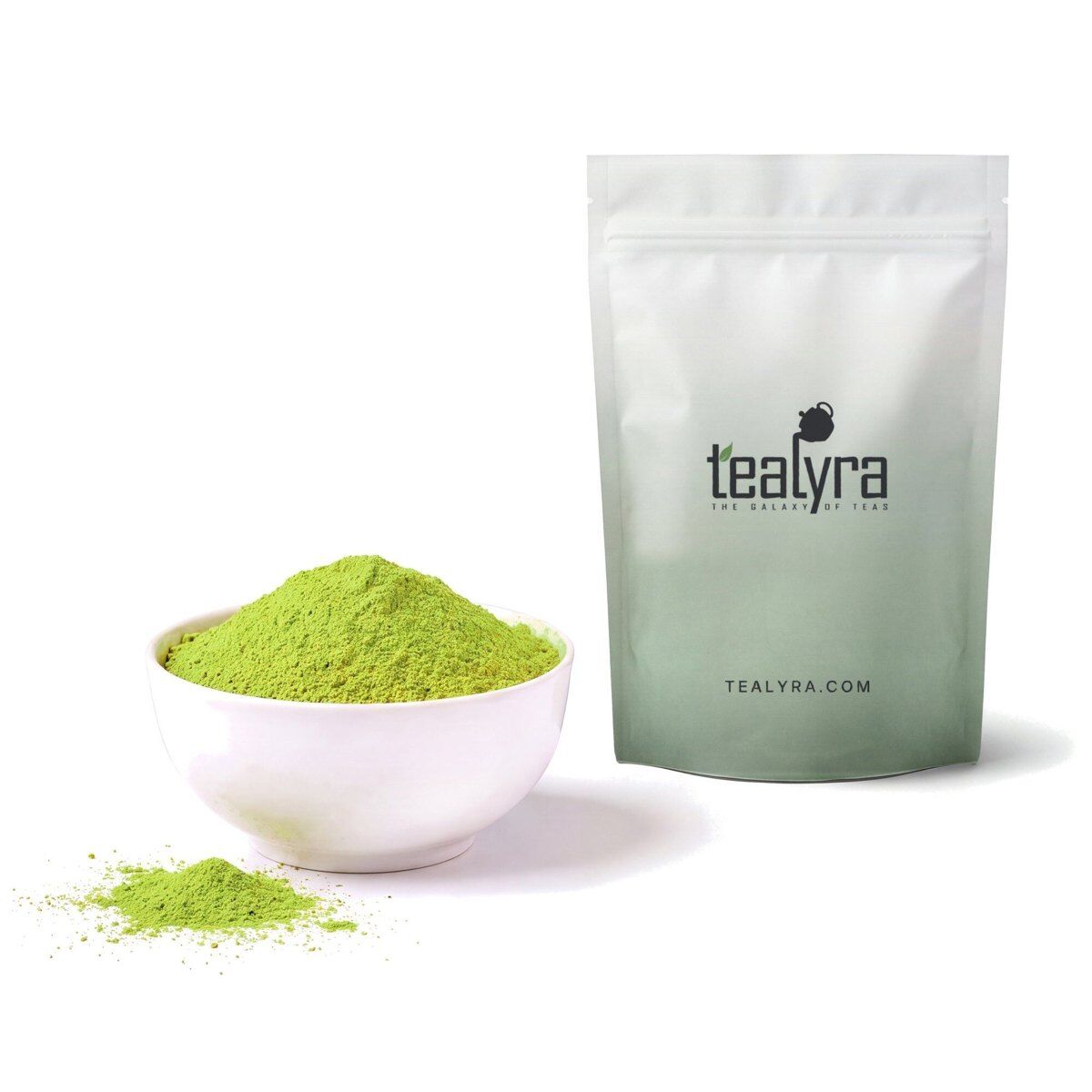
If you bake only now and then and want one matcha for both lattes and cookies, Everyday Uji Matcha sits in the middle: smooth enough for a morning latte, bold enough for a batch of shortbread. You can compare every grade in our matcha powder collection.
| Culinary matcha | Everyday Uji matcha | Ceremonial matcha | |
|---|---|---|---|
| Flavour | Bold, grassy, firm | Smooth, balanced | Sweet, mellow, delicate |
| Colour in baking | Holds green well | Bright green | Bright, but flavour fades |
| Best for | Cookies, cakes, muffins, icing | Lattes, light bakes, smoothies | Whisked with water only |
| Value in baking | Best | Good | Poor |
Matcha is concentrated, and too much makes a bake bitter rather than "more matcha". Start with these amounts and adjust to taste next time:
Always sift matcha together with the flour. The powder is so fine that it clumps with any moisture, and a clump bakes into a dark, bitter speck.
Chlorophyll is what makes matcha green, and it dulls with strong heat, long baking and alkaline batters. A few habits make a visible difference:
Cream 225 g (1 cup) soft butter with 100 g (½ cup) sugar. Sift together 250 g (2 cups) flour, 4 teaspoons culinary matcha and a pinch of salt, then mix into the butter until just combined. Roll into a log, chill 30 minutes, slice 1 cm thick and bake at 160 °C (325 °F) for 14 to 16 minutes, until the edges are firm but not brown. Makes about 24 cookies.
Whisk 250 g (2 cups) flour, 3 teaspoons culinary matcha, 2 teaspoons baking powder and a pinch of salt. In another bowl mix 2 eggs, 150 g (¾ cup) sugar, 240 ml (1 cup) milk and 80 ml (⅓ cup) neutral oil. Fold wet into dry with 100 g white chocolate chips. Bake in 12 lined cups at 175 °C (350 °F) for 18 to 20 minutes.
Beat 115 g (½ cup) butter with 150 g (¾ cup) sugar, then add 2 eggs. Sift in 190 g (1½ cups) flour, 1 tablespoon culinary matcha and 1½ teaspoons baking powder, alternating with 120 ml (½ cup) warm milk. Bake in a lined loaf tin at 165 °C (330 °F) for 45 to 50 minutes, tenting with foil after 30. Glaze with icing sugar, a splash of milk and ½ teaspoon matcha.
Matcha loses colour and flavour once it meets air, light and warmth, and a Canadian winter kitchen with the furnace running is drier and warmer than you might think. Keep the pouch sealed tight, ideally inside an airtight container, in the fridge once opened. Let it come to room temperature before you open it so condensation does not form inside, and use an opened pouch within about two months for the best colour.
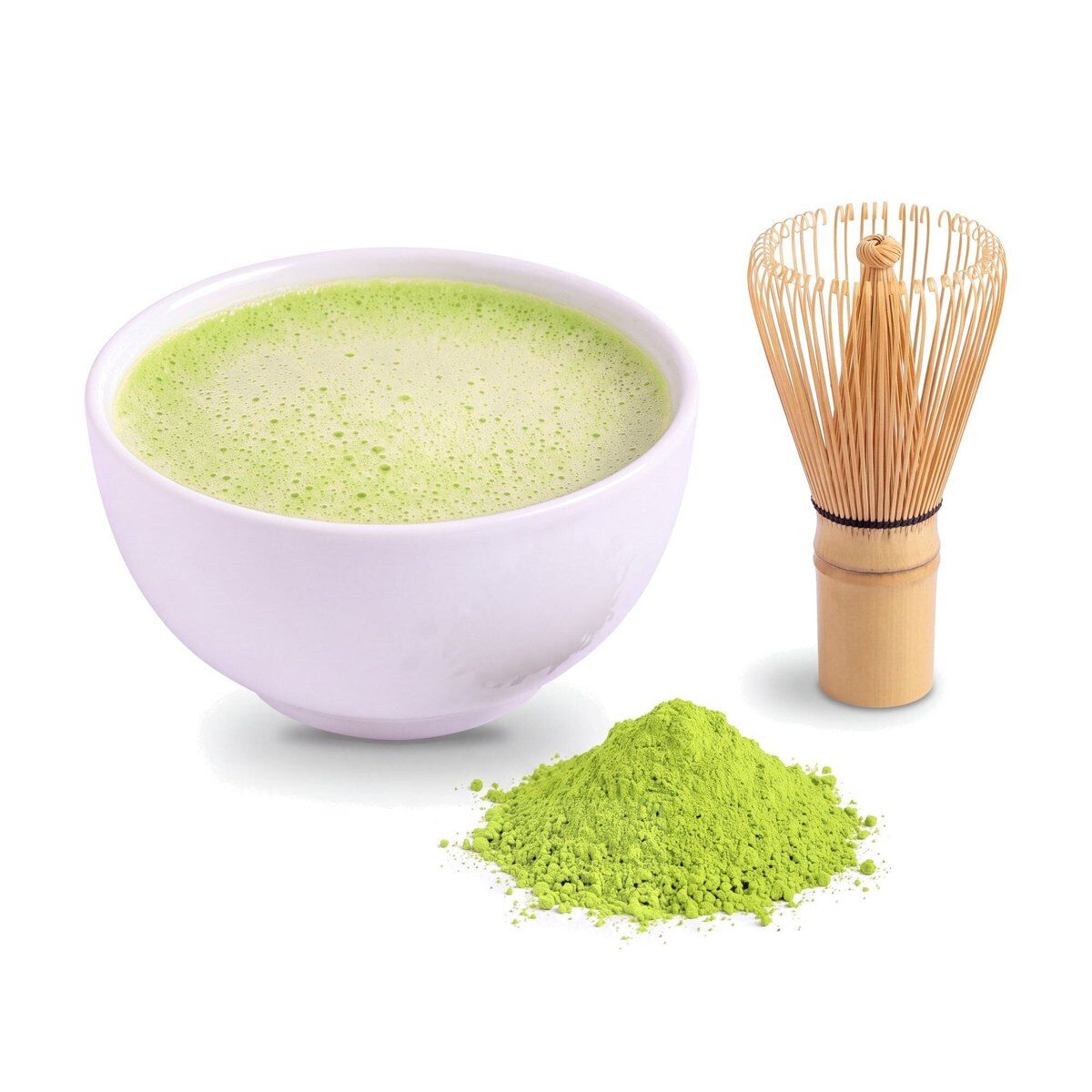
For whisked matcha and lattes between baking days, a bamboo matcha whisk gives a smoother, lump-free cup than a spoon. Our guide on buying matcha in Canada covers grades, origin and colour in more detail.
You can, but it is not the best value. Its delicate sweetness gets lost behind butter and sugar. Culinary grade matcha has a bolder flavour that still tastes like matcha after baking.
Usually the oven was too hot, the bake ran too long, or the dough had a lot of baking soda. Bake at 160 to 175 °C (325 to 350 °F), pull them when the edges set, and use baking powder where you can.
About 2 teaspoons (4 g) per 120 g (1 cup) of flour gives a clear matcha flavour. Use 1 teaspoon for a light taste or 1 tablespoon for a bold, deep green bake.
It is matcha made from slightly later leaves than ceremonial grade, with a stronger, more robust flavour. That makes it ideal for baking, smoothies and lattes, where it is mixed with other ingredients.
Sealed and airtight in the fridge after opening, away from light. Let the pouch warm to room temperature before opening and use it within about two months.
How to make matcha tea at home: sift 2 g, use water at 165-175°F and whisk in a zigzag. Ratios for usucha, koicha, lattes and iced matcha…

Buying matcha powder in Canada: how to read grades, colour and origin, which matcha suits lattes or whisking, and how to store it through a…

Which matcha grade is best? Start with how you plan to drink it: plain, in a latte or in recipes. A simple guide to grades, taste and value…